Last reviewed: November 5, 2026
Short answer: Some lifetime deals (LTDs) are only as safe as the platform they plug into. If a tool needs Reddit, X, Instagram or Facebook data to work, the platform can change its prices, rules or API with a few weeks' notice, and a one-time payment cannot absorb that. Before you buy, check what the tool depends on, whether it uses an official API, and what is left if that access goes away.
Most LTD risk talk is about the vendor: will the company survive, get sold, or stop updating? This post is about a different risk that sits outside the vendor's control. The product can be well run and still lose the thing it needs.
Key facts
- February 2023: Twitter (now X) announced it would end free API access. On February 8 it said a paid Basic tier would cost $100 per month, and moved the cut-off from February 9 to February 13.
- April to July 2023: Reddit announced paid API access. From July 1, 2023, apps above the free limits paid $0.24 per 1,000 API calls. Reddit said over 90% of apps stayed on the free tier.
- June 30, 2023: the popular third-party app Apollo shut down. Its developer said Reddit's pricing would have cost about $20 million a year at his usage (7 billion requests in one month).
- September 4, 2024: Meta announced the Instagram Basic Display API would stop on December 4, 2024, giving partners 90 days.
- January 23, 2024: a US federal court ruled Meta's terms did not bar Bright Data from scraping publicly viewable data while logged out. Lawyers noted the ruling is narrow and does not make scraping legal in general.
- October 7, 2024: Meta's Automated Data Collection Terms took effect. They bar automated collection without Meta's express written permission and let Meta restrict it "at any time for any reason".
- February 6, 2026: X launched Pay-Per-Use API pricing, a credit-based model, while Basic and Pro plans remain.
What is platform risk in a lifetime deal?
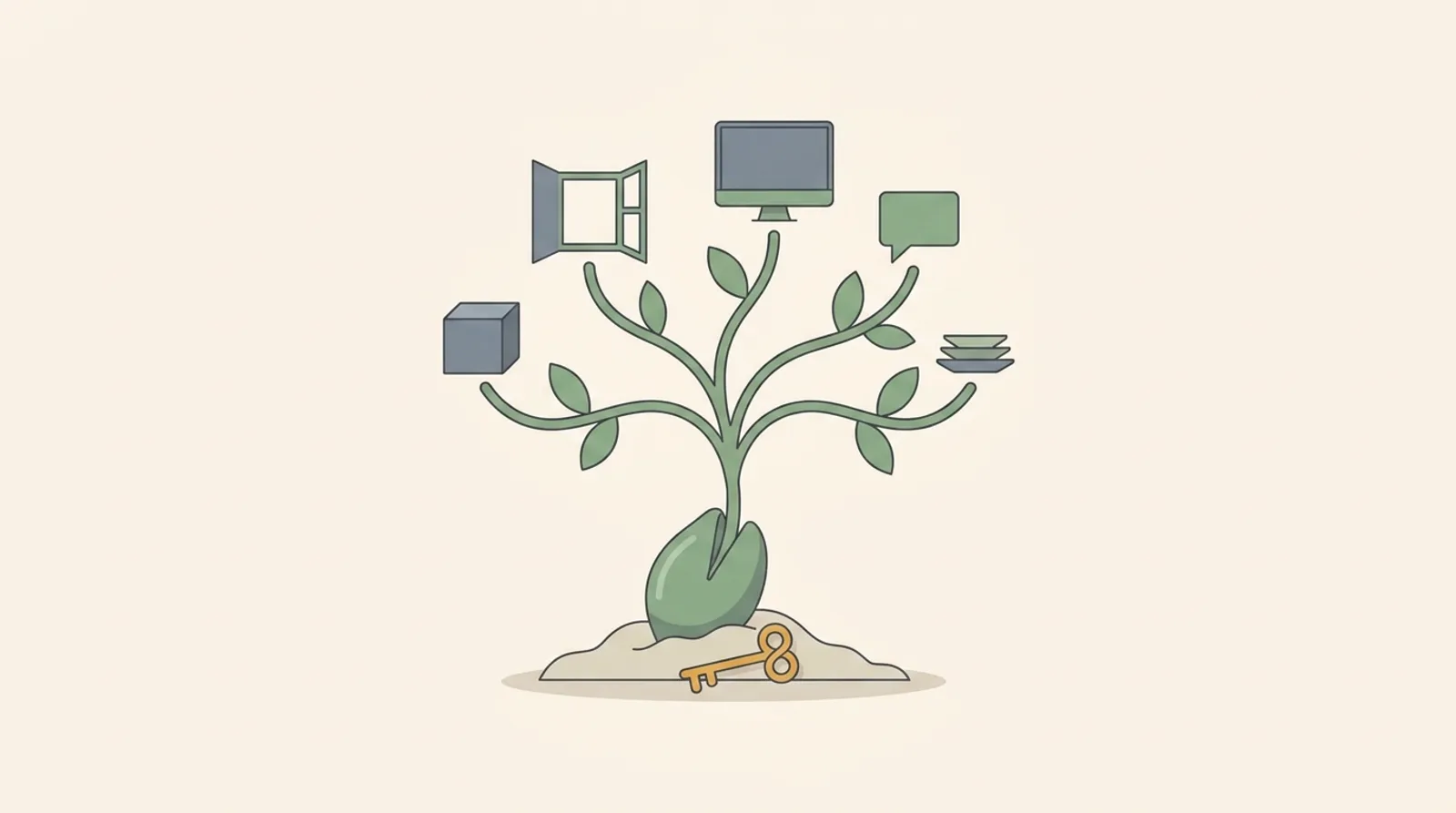
Platform risk means your tool depends on another company's service that the vendor does not control. It takes three common forms.
Data access. The tool reads data from a platform through an API or by scraping pages: posts, profiles, reviews, search results, listings.
Actions on your behalf. The tool posts, schedules, replies or follows through a platform account you connect.
Distribution. The tool lives inside another ecosystem, such as an app store, a plugin directory, a social network, or a browser extension store, and that ecosystem controls how it is found and installed.
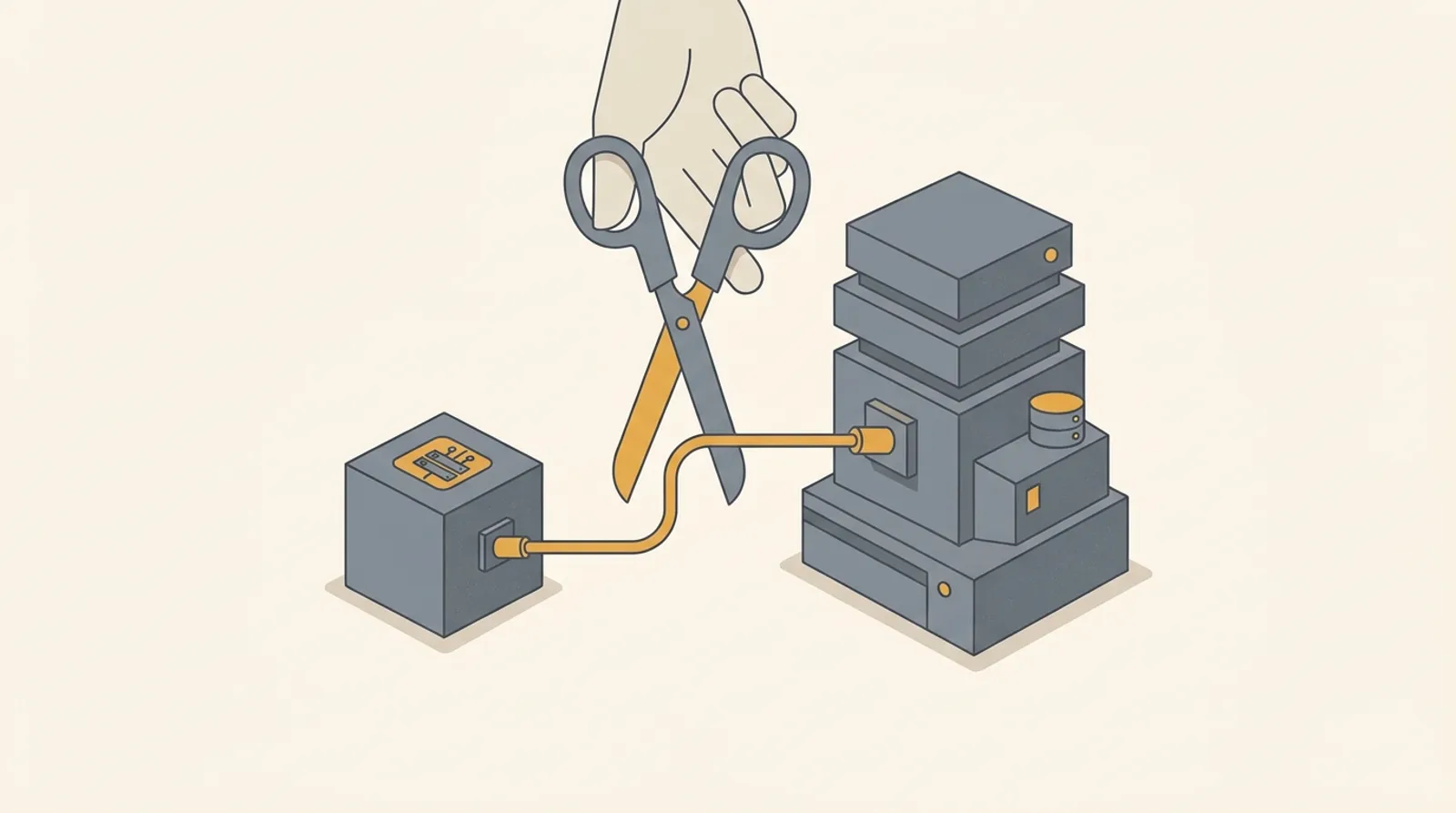
In all three cases the vendor writes the code, but the platform writes the rules. When the rules change, the vendor has to pay more, rebuild, or drop the feature. A subscription company can raise prices. A lifetime-deal company has already taken your money once and promised the tool for life.
What do real API changes look like?
Three documented cases show the pattern. None of these involve a lifetime deal. They show how fast and how hard a platform can move.
X, 2023. On February 2, 2023, the X developer account said free access to the API would end on February 9. A week later it announced a $100 monthly Basic tier for a "low level of API usage" without defining that, and pushed the date to February 13. TechCrunch noted developers could not plan because the details came after the deadline. A limited free tier remained, but only for creating up to 1,500 posts a month. In February 2026 X again changed its model with Pay-Per-Use credits, so the pricing has now moved at least twice in three years.
Reddit, 2023. Reddit's CEO wrote that Reddit "can no longer subsidize commercial entities that require large-scale data use". From July 1, 2023, apps needing higher limits paid $0.24 per 1,000 API calls. Reddit's own post said apps such as Apollo, Reddit is Fun and Sync had decided the pricing did not work for them and would close. Apollo's developer said his app made 7 billion requests in a month, which he put at about $1.7 million a month under the new rates. For him, there was no price on the table that kept the app alive.
Meta, 2024. Meta told developers on September 4, 2024 that the Instagram Basic Display API would be gone on December 4, 2024, after 90 days. Every request to it would fail from that day. Meta pointed business and creator accounts to other APIs, but consumer apps were left without a replacement.
The takeaway is not that platforms are villains. They have their own business reasons, and Reddit's was partly about AI companies using its data. The point is that a product built on someone else's data can have its costs rewritten overnight.
Why does this matter more for a lifetime deal?
A one-time payment funds one thing: the vendor's runway at the moment of sale. It does not fund a future bill from a platform.
Think about an "unlimited" LTD that pulls data through a paid API. If the platform later charges per call, as Reddit did at $0.24 per 1,000, the vendor faces a cost that grows with every active user, while its LTD revenue stopped on day one. The easy responses are to add usage caps, cut features, or fade out. All three reach LTD holders first. Our post on why lifetime deals die explains how cost-without-revenue squeezes the lifetime tier.
The risk is also hard to see from the sales page. A landing page lists features, not the platform terms those features rely on.
Is scraping a special case?
Scraping adds a legal and policy layer on top of the price risk. It is worth being precise here, because the law is not simple.
In January 2024 a US federal judge ruled in Meta v. Bright Data that Meta's terms of service did not prohibit logged-off scraping of publicly viewable data. Law-firm summaries of the ruling stress its limits: it only interpreted Meta's terms at that time, it did not address scraping behind a login, it did not say scraping public data is lawful in every respect, and it did not stop Meta from rewriting its terms.
Meta did publish separate Automated Data Collection Terms, effective October 7, 2024. They say you will not engage in automated collection "without first obtaining Meta's express written permission", define it to include web scrapers, bots and crawlers, and reserve Meta's right to restrict collection "at any time for any reason".
What this means for a buyer: a scraper tool can be legal in one setting, against a platform's terms in another, and technically blocked in a third. Scrapers also tend to break whenever a site changes its page layout, because they read pages rather than an agreed interface. We are not judging any specific product here. We are saying this category carries a kind of risk that a CRM or a PDF editor does not.
What is a 5-minute platform risk check before you buy?
Use these six questions on any LTD that touches an outside platform.
- Which platforms does it need? List them. If the answer is "one, and it is the whole product," the risk is concentrated.
- Official API or scraping? An official API comes with documented limits and deprecation notices, like Meta's 90 days. Scraping and browser automation have no notice at all.
- Who pays for platform costs? Look for caps, credits, or "bring your own API key". A BYO-key model moves the platform bill to you, which is honest but not free.
- What does the tool do without the platform? If the main value disappears when access does, treat the deal as a short-term rental, not an asset.
- Has the vendor handled a change before? Search the changelog and help center for how it dealt with an earlier API or policy change. A calm, dated post is a good sign.
- Can you test the risk inside the refund window? Connect your real account, run your real workflow, and check export options. Our exit-plan checklist covers the export half. Refund windows differ by marketplace; see our marketplace comparison.
If you can answer questions 2, 3 and 4 clearly, you have already done more than most buyers do.
So should you avoid platform-dependent lifetime deals?
No. Plenty of useful tools sit on top of platforms and do so responsibly. The aim is to price the risk, not to refuse it.
A reasonable rule of thumb: pay an amount you would accept losing if the platform closed the door tomorrow. For a tool with one-platform dependence, scraping at its core, and no usage cap, that amount is lower than the sticker price suggests. For a tool with several integrations, an official API, and a useful core on its own, you can pay more.
You can see how we judge deals on how we review, and browse current lifetime deals with these six questions in hand.
FAQ
What happens to my lifetime deal if a platform it depends on changes its API? It depends on the vendor. Common outcomes are usage caps, features removed, a request to bring your own API key, or the tool shutting down. Lifetime terms usually promise access to the product, not to every integration, so read what your deal actually covers.
Are scraper tools safe to buy as lifetime deals? They carry extra risk. Scrapers can break when pages change, and platform terms may restrict automated collection. The Bright Data ruling shows the law is not one-sided, but it was narrow and did not remove the risk of blocks or term changes. Buy with a smaller budget and test early.
Does bring-your-own-API-key solve platform risk? Partly. It moves the usage bill from the vendor to you, which protects the vendor's finances. It does not protect you if the platform removes the API or changes its price. You would simply pay the new price yourself.
How can I tell if a tool uses an official API? Check the help center or integration page for words like OAuth, "connect your account" or "official API", and look for a list of required permissions. If the page talks about extracting data from "any website" or uses a browser extension, it is likely scraping.
Sources
- TechCrunch, "Twitter says the basic tier of its API will cost $100 per month" (Feb 8, 2023): https://techcrunch.com/2023/02/08/twitter-says-the-basic-tier-of-its-api-will-cost-100-per-month
- X Developer Platform changelog, Pay-Per-Use launch (Feb 6, 2026): https://docs.x.com/changelog
- Reddit, "Addressing the community about changes to our API" (u/spez, 2023): https://www.reddit.com/r/reddit/comments/145bram/addressing_the_community_about_changes_to_our_api
- TechCrunch, "Popular third-party Reddit app Apollo is shutting down as a result of Reddit's new API pricing" (Jun 8, 2023): https://techcrunch.com/2023/06/08/popular-third-party-reddit-app-apollo-is-shutting-down-as-a-result-of-reddits-new-api-pricing/
- Meta for Developers, "Update on Instagram Basic Display API" (Sep 4, 2024): https://developers.facebook.com/blog/post/2024/09/04/update-on-instagram-basic-display-api/
- Meta, Automated Data Collection Terms (effective Oct 7, 2024): https://www.facebook.com/legal/automated_data_collection_terms
- Quinn Emanuel, "What Does The Meta v. Bright Data Summary Judgment Ruling Mean For Web Scraping?" (Jan 30, 2024): https://www.quinnemanuel.com/the-firm/news-events/client-alert-what-does-the-meta-v-bright-data-summary-judgment-ruling-mean-for-web-scraping/